
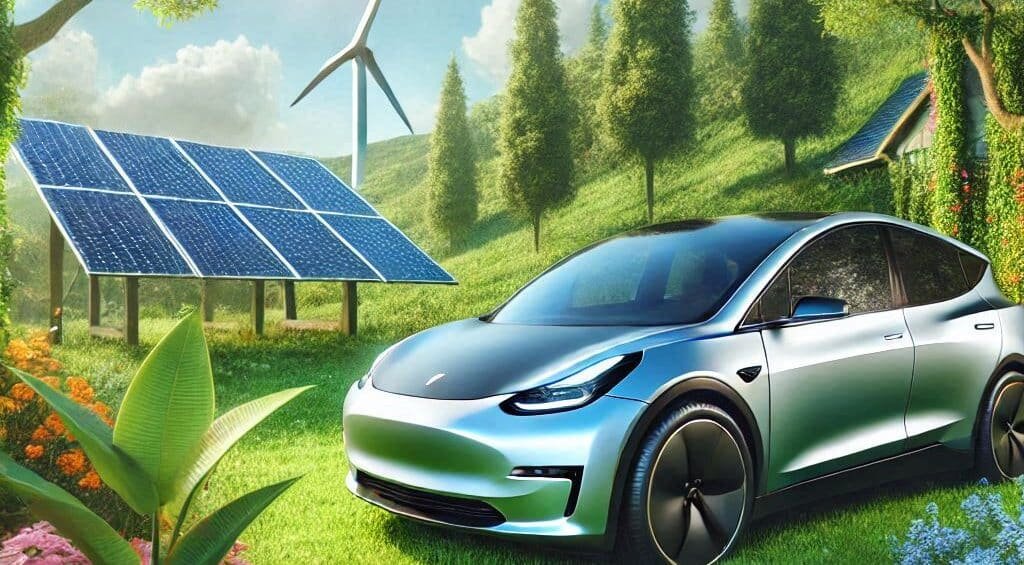
Hybrid vehicles have become the most popular choice of car buyers that can either replace the use of a conventional internal combustion engine vehicle or a fully electric one. To put it simply, hybrid cars still use a combustion engine in combination with an electric motor which results in a very efficient use of fuel and almost zero emissions. However, the problem with hybrid technology is that it is a very debated issue in the scientific community like any other technology with pros and cons. This article exposes the benefits and disadvantages of hybrid cars so it will be easy for you to decide if they are a suitable option for you.
Advantages of Hybrid Cars
- Improved Fuel Efficiency
Preserving fuel consumption is the main idea of hybrid vehicles and these vehicles have been created by the mixture of a gasoline engine with an electric motor. In hybrids, urban driving can be done differently and this is a characteristic of frequent stops and starts during which the vehicle uses only electricity, thus the fuel is saved. Hence, they are the best option for people using the city who want to save fuel consumption and save money as well. - Lower Emissions
Hybrid vehicles emit less carbon dioxide when compared to the conventional gasoline-powered ones. The electric motor is the only one that powers the car or when it is helping the engine, less fuel is burnt, and the emissions are cleaner. Consequently, it is a move towards lessening the contribution of cars to global warming and making hybrids a green mode of transport. - Regenerative Braking
The regenerative brake system in hybrid cars can change the vehicle’s kinetic energy into electrical energy while the brakes are being applied. The energy is stored in the battery and is used for the electric motor. It is truly a fuel-saving method and is a brake-wear-reducing as well hence, a reduction in maintenance costs is probable. - Smoother Transitions
Most hybrids have a feature wherein the change from the use of a combustion engine to the electric motor or vice versa is done without the driver feeling it. This gives a smooth driving experience especially in stop-and-go traffic. The electric motor’s instant torque can also elevate the speed making hybrids feel responsive and agile. - Reduced Dependency on Fossil Fuels
Hybrid vehicles that use less gasoline are lowering the dependence on fossil fuels. It can slowly attain energy independence and reduce the effects of oil extraction and usage. - Government Incentives
The buyers of hybrid vehicles, are lucky to get some government benefits in most of the countries in the world. Such benefits may take the form of tax credits, rebates, or lower registration fees. These benefits provided by governments are to lure people to the adoption of cleaner technologies and thus may make hybrids quite affordable to buyers. - Versatility
Hybrids are not like EVs that fully depend on the availability of the charging stations as they also have a combustion engine, hence they can be refueled at any gas station, thus, they will be a logical choice for a long-distance trip or some places where the charging stations are difficult to find.
Disadvantages of Hybrid Cars - Elevated Initial Cost
The price of a hybrid car is on average more than that of just a gasoline-powered one. The new and more complicated tech, for instance, the regenerative braking system and the dual powertrain, is one of the reasons that contribute to the high price. Anyhow, the upfront investment may still be a barrier to some buyers if only a few of the costs are offset by government incentives. - Complexity and Maintenance
Hybrid vehicle with a dual powertrain design is more complex than a traditional one. Although hybrids usually have less engine maintenance needs due to its reduced usage, their systems can be costly to repair if they get damaged. Repairing may require specialized knowledge and parts which can result in a high repair bill. - Battery Replacement Costs
A hybrid battery pack is the most important but it has a limited lifespan. In any case, eventually, they will become old and need to be changed, no matter how long they are made to last. It may be costly to replace batteries in hybrids as the replacement price can go up to several thousand dollars. - Reduced Performance
Hybrids work great in terms of fuel efficiency and being eco-friendly; however, their performance may be lower than that of a traditional gasoline or diesel vehicle. Basically, the total power of the engine and the motor is mostly a typical optimization for efficiency purposes rather than for speed or towing capacity. So, for high-performance enthusiasts and heavy-duty capability seekers, hybrids may disappoint. - Smaller Gas Tanks
The majority of hybrid vehicles have been designed with smaller gas tanks so as to provide space for the battery and the electric motor. Even though better fuel consumption has been considered, it can still mean that those drivers who cover long distances regularly will have to refuel more often. - Weight and Handling
The addition of a battery pack and an electric motor increases the weight of a hybrid vehicle compared to a traditional car. The extra weight may lead to the issues of handling and performing, especially for small-sized vehicles. However, there are development in design and materials that help solve this problem in today’s hybrid models. - Limited Environmental Impact
Hybrid vehicles are more eco-friendly than traditional ones, but they still cannot be compared to fully electric cars in terms of cleanliness. Hybrids still rely on gasoline and emit pollutants, although at a much lower level than regular vehicles. Therefore, for those who want to totally get rid of their carbon footprints, a fully electric vehicle might be a better option. - Resale Value Uncertainty
It is not always obvious when and where to sell hybrid vehicles for the most money. The condition of the battery, technological advancements, and consumer preferences are the factors that affect the value of a used hybrid. Moreover, as EVs become more popular, fewer people will be willing to purchase hybrids, and thus, the price of the latter may decrease.
Conclusion
Hybrids have a very attractive bundle of features such as fuel saving, low emission levels, and high practicability which make them the car of choice for the environmentally conscious drivers who are not yet ready to commit to a fully electric vehicle. Nevertheless, it is a good idea not to forget their higher initial price, possible maintenance issues, and weaknesses in terms of performance as well as environmental impacts before making a decision.
If most of your driving is in the city and you want to take a small step towards a more environmentally friendly transport system, then a hybrid car is definitely the right choice for you. But, on the contrary, those drivers who are seeking long-term cost savings or maximum environmental benefits may be better off with EVs as the technology and supportive infrastructure keep progressing.
Finally, the decision whether to purchase a hybrid vehicle depends on your needs, your driving habits, and how much money you have. Weighing the pros and cons will give you an answer as to whether your priorities and lifestyle match the ownership of a hybrid car.